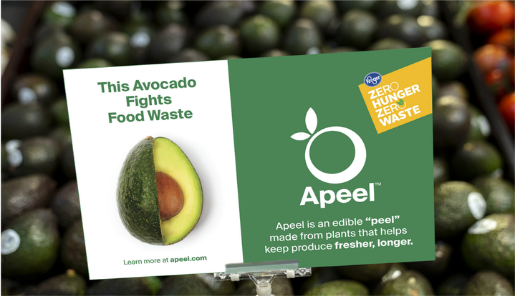
One of the most pressing environmental and economic challenges facing the modern world is food waste. According to current statistics, nearly one-third of all produced food ends up in landfills. This process represents not only an inefficient use of resources but is also directly linked to the increase in greenhouse gas emissions. In response to this critical reality, Apeel Sciences has developed a practical and scalable innovation: a plant-based coating for fruits and vegetables that significantly extends the product’s shelf life.
Technology and Methodology of Plant-Based Wax Production
The technological foundation of Apeel is the molecular imitation of cutin, a plant’s natural protective layer. Cutin is a natural polymer composed of fatty acids that creates a protective, mesh-like structure on the plant’s surface. The coating created by the company is made from plant-derived lipids and glycerolipids—substances naturally found on the surface of almost all fruits and vegetables we consume daily.
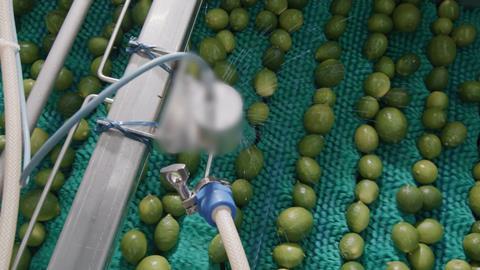
One of the primary values of this innovation is the principle of sustainable production: agricultural waste, such as grape seeds or orange peels, is used as raw material. Through specialized technology, specific lipids are isolated and transformed into a stable, powdered concentrate. Immediately before use, the powder is dissolved in water and applied to the product via three methods: spraying on large-scale production lines, dipping in a solution, or mechanical application. After the water evaporates, an invisible and tasteless barrier remains on the surface, which significantly slows down the processes of oxidation and water loss, thereby preserving the fruit’s original freshness and moisture.
Economic and Logistical Benefits of the Innovative Practice
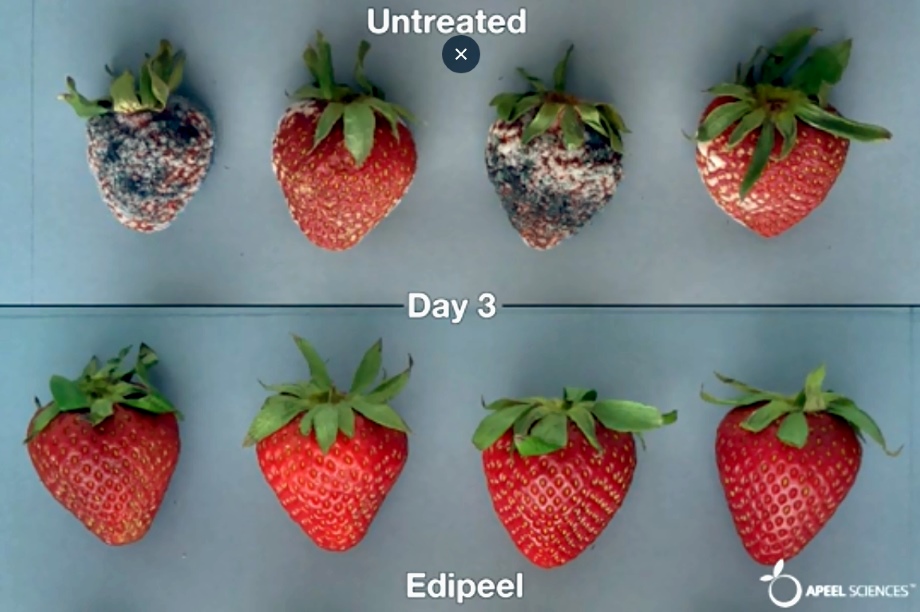
Extending a product’s shelf life by 2–3 times directly impacts the efficiency of the supply chain. Along with reducing waste, this technology often eliminates the need for additional plastic packaging, marking a significant step forward from an environmental perspective. Minimizing crop loss also means conserving the water, energy, and human resources invested during the production process.
The technology opens further opportunities for farmers as well. It allows them to harvest produce at full ripeness, improving its flavour and quality characteristics. Furthermore, the Apeel coating is critically important for regions where cold-storage infrastructure is less accessible, as the product can be preserved without additional energy expenditure.
Current Practices and Future Perspectives
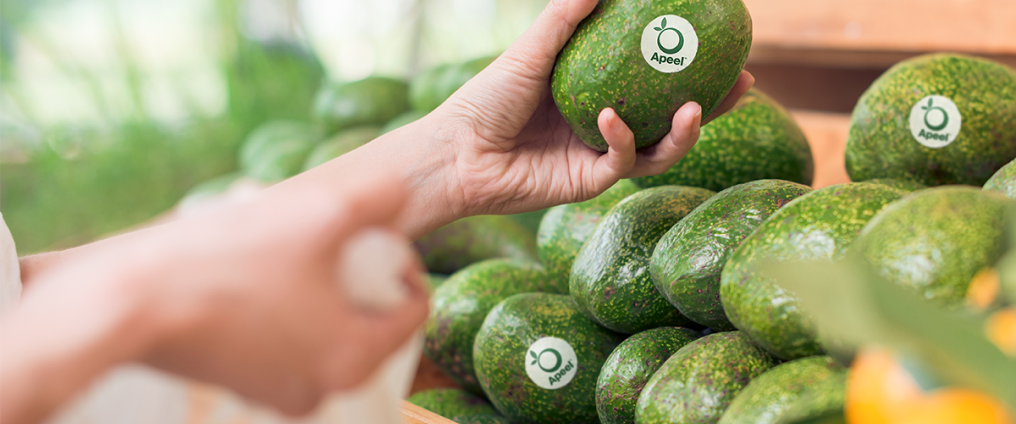
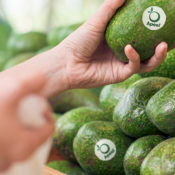
Today, Apeel is successfully utilized for products such as avocados, mangoes, kiwis, apples, and citrus fruits. Despite the clear economic and ecological benefits, a degree of skepticism remains among some consumers regarding labeling transparency. However, scientific studies have confirmed that the components used are entirely safe for human health.
Apeel Sciences’ approach is a clear example of how the synthesis of science and natural mechanisms can solve global problems. This technology is fundamentally transforming the logistical standards of food systems and offering a more sustainable model for resource management.
For more information, please visit company’s website: https://apeel.com/