Product’s Second Life: How Circular Business Models Work
Imagine a T-shirt. Its journey begins with the cultivation of cotton, continues through manufacturing and retail, and eventually reaches the consumer’s wardrobe. After a certain period of use, however, its
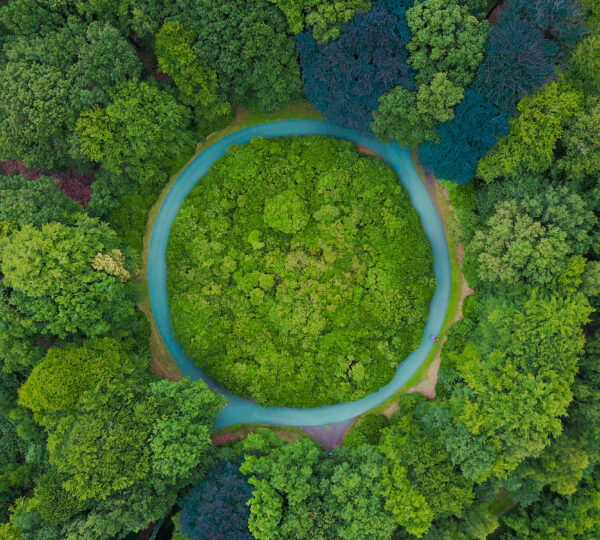
Circular Economy: From Design to Regeneration
Discussions of the circular economy are often reduced to a single activity: recycling. In practice, however, recycling represents only one stage of the system and the final one at that.
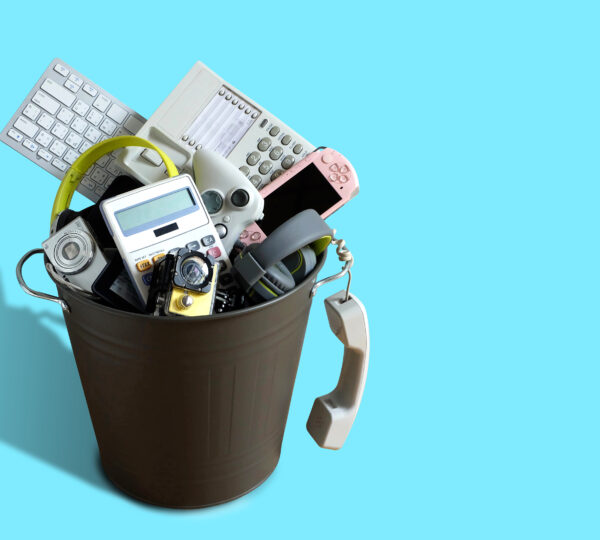
From Waste to Resource: How the Circular Economy Is Transforming Production and Consumption
Every day, we purchase, use, and then dispose of countless items. Water bottles, food packaging, clothing, electronics – the life cycle of almost every product ultimately ends in the same

Plant-Based Wax Coating: Apeel Sciences’ Circular Project
One of the most pressing environmental and economic challenges facing the modern world is food waste. According to current statistics, nearly one-third of all produced food ends up in landfills.

Household Items Made from Sunflower Husks: The SOLIO Circular Project
Food industry waste, traditionally viewed as a low-value resource, is gaining new functional significance with the advancement of modern design and materials science. A striking example of this transformation is

Biodegradable Packaging Made from Seaweed: Kelpi’s Circular Project
The modern world is simultaneously facing two major challenges. On the one hand, packaging is essential for ensuring product safety and storage; on the other hand, dependence on single-use plastic

Circular Materials Created Through Mycelium-Based Technologies – Ecovative’s Innovative Project
Ecovative’s Project Today, as the world struggles with its heavy dependence on non-renewable resources, innovative solutions based on natural processes are becoming increasingly important. In response to the environmental crisis,

Packaging Made from Wood Waste: How Biodegradable Material Is Produced from Tree Bark
BPack’s Circular Project Every year, the timber processing industry generates millions of tons of bark, which is often treated as useless waste. To dispose of it, burning or landfilling bark

Transforming Agricultural Waste into Interior Objects: How Designer Items Are Made from Rice Straw
In India, after the rice harvest, large amounts of rice straw remain on agricultural fields each year, locally known as “Parali.” Burning it to prepare the land quickly is a

GaeaStar: How Clay Replaces Plastic – The Future of Packaging That Returns to the Earth
The global battle against plastic waste has reached a critical tipping point. Modern convenience is currently built on a fundamental design flaw where we use synthetic materials designed to last