Product’s Second Life: How Circular Business Models Work
Imagine a T-shirt. Its journey begins with the cultivation of cotton, continues through manufacturing and retail, and eventually reaches the consumer’s wardrobe. After a certain period of use, however, its journey often ends in landfill. From the perspective of the linear economy, this marks the end of the product’s life cycle: it has been produced, sold, used and, ultimately, discarded.
But what if the story did not have to end there?
The T-shirt could be passed on to another user, repaired, taken back by the manufacturer or retailer and refurbished. Its textile could eventually be recovered and used as an input for an entirely different product. Recycling becomes the appropriate option only when retaining the material in its current form, or through further reuse and recovery, is no longer technically or economically viable. This is the fundamental shift introduced by the circular economy: rather than treating the end of a product’s first use as the end of its life, circularity seeks to keep products, components and materials in use for as long as possible and at their highest possible value. Businesses across a range of sectors are already demonstrating how this principle can be translated into viable business models.
Circular Consumption Models
A fundamental principle of circularity is simple: the most effective waste is waste that is never generated in the first place.
Discussions about the circular economy often begin with waste. Yet a genuinely circular approach starts much earlier. The first priority is not managing waste after it has been generated, but preventing its generation through changes in the way products and services are designed, delivered and consumed.
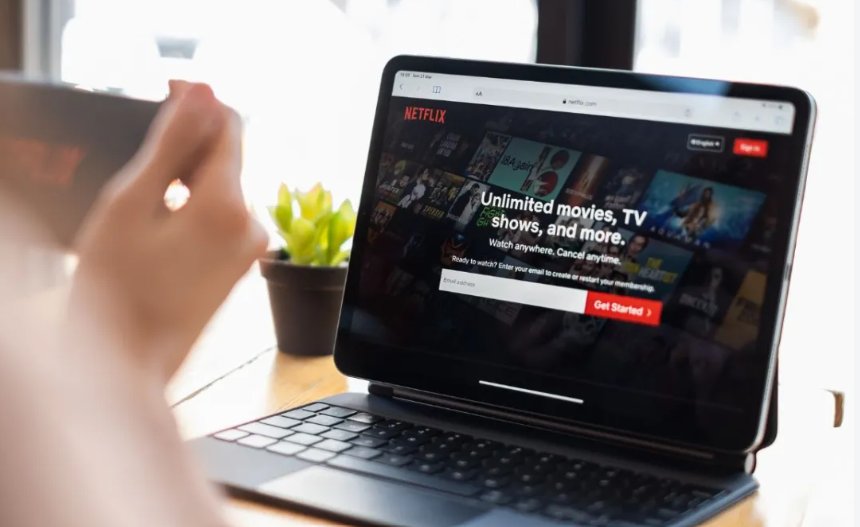
Netflix provides a clear illustration of this shift. The transition from physical DVDs to digital streaming transformed not only the way films were accessed, but also the resources required to deliver the service. Digital distribution eliminated the need to manufacture, package and transport an individual physical disc for each film. This reflects a fundamental principle of circular thinking: in some cases, the most effective approach is not to manage an existing product more efficiently at the end of its life, but to reconsider the need for the product itself and redesign the system around it.
The same principle applies to product design. When products are designed from the outset to allow components to be easily replaced, repaired, maintained or upgraded, their useful life can be extended significantly. A relevant example is Grover, which operates a technology rental model. Rather than purchasing a device, customers access it for a defined period and subsequently return it. Returned devices are inspected and, where necessary, repaired or refurbished before being made available to other users. The model therefore challenges the conventional assumption that one product is intended for a single owner throughout its useful life.
One Product, Multiple Users
The principle of extending the use of a product across multiple users represents another important dimension of circular business models. When a product serves only one user throughout its lifetime, a considerable share of its potential utility may remain unused. A private vehicle may remain stationary for most of the day; an office or workspace may remain vacant outside working hours; a specialised tool may be used only a few times a year while remaining idle for the rest of the time.
Sharing-based business models seek to transform this underutilised capacity into economic value. Their effectiveness depends, in part, on the availability of accessible mechanisms that connect users with underutilised assets. Digital platforms play an increasingly important role in this process by enabling users to locate, reserve and access products and services and, subsequently, make them available to others.
As a result, economic value is generated not solely through the production and sale of new goods, but through increasing the utilisation rate of products and assets that already exist.
Repair as a Means of Extending Product Life
Repair is one of the most straightforward and significant strategies for maintaining products in circulation. A damaged product does not automatically constitute waste. A broken smartphone screen does not necessarily require replacement of the entire device, just as a damaged zipper does not mean that a garment has reached the end of its useful life.
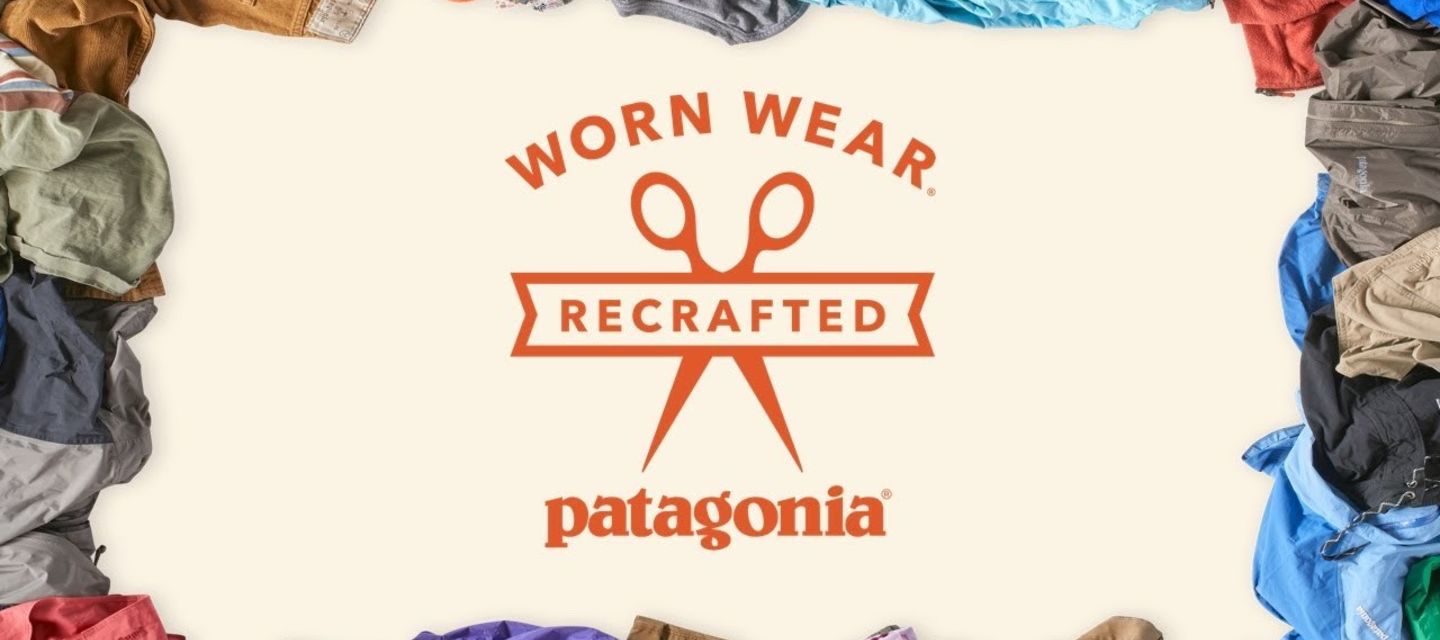
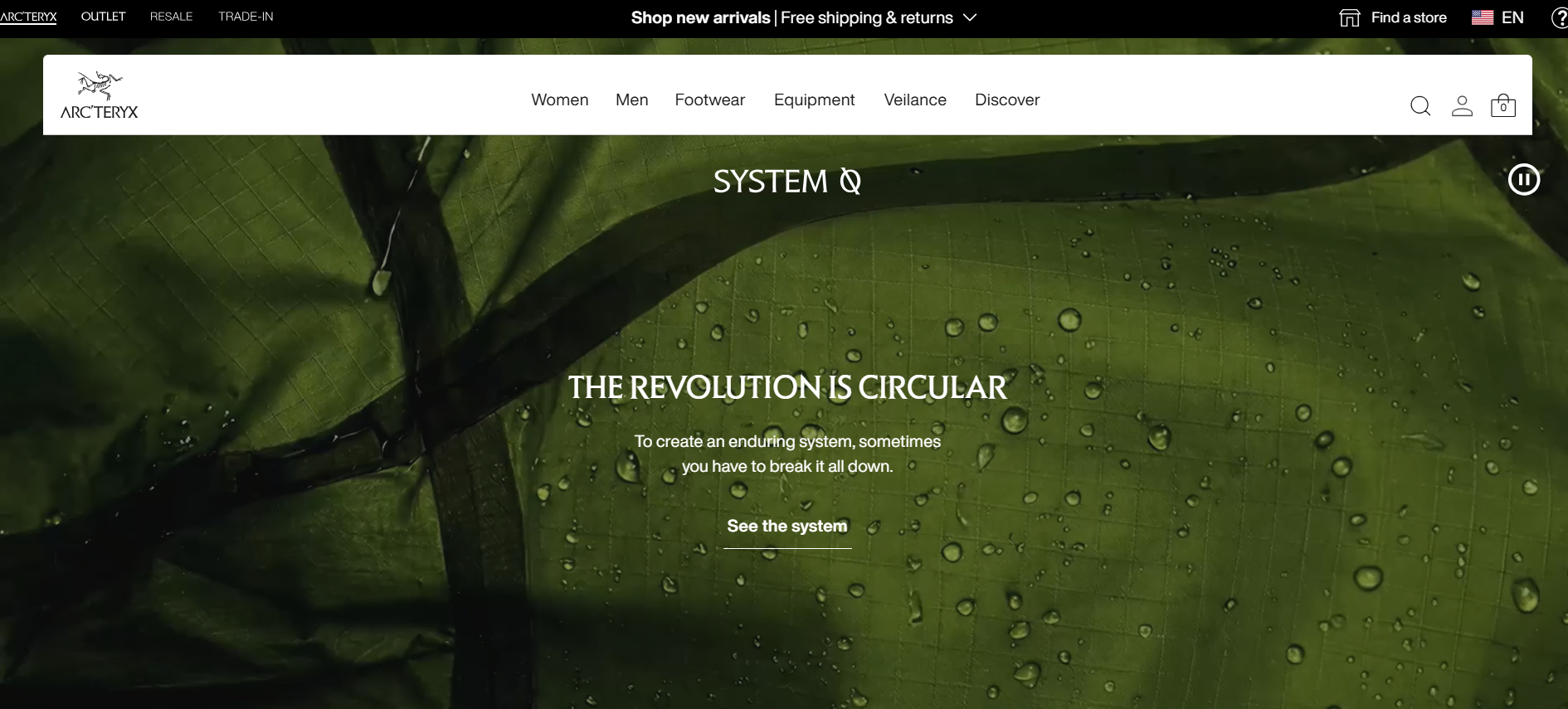
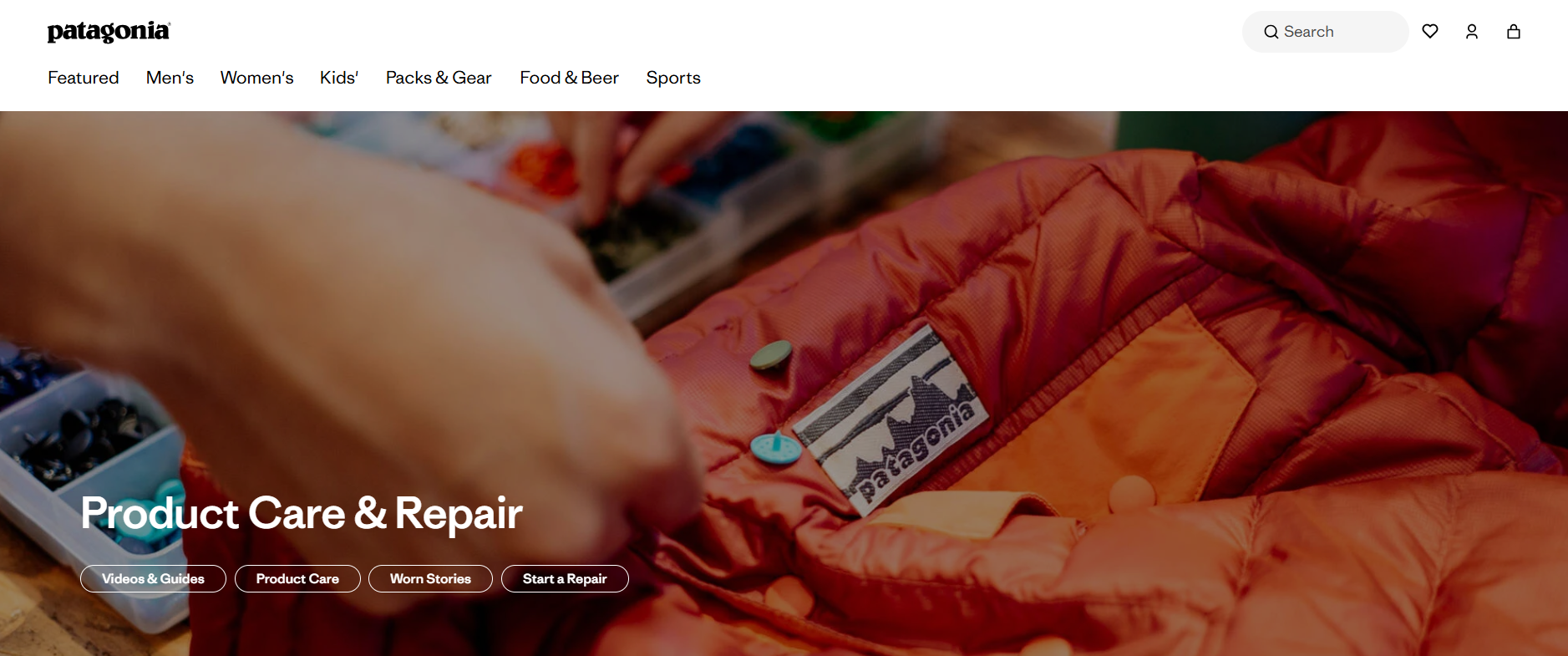
Companies such as Apple, Patagonia and Arc’teryx have incorporated repair services into their business models, demonstrating how product longevity can become part of a company’s value proposition. The significance of this approach extends beyond its environmental benefits. It also reflects a fundamental change in business logic. Under a conventional linear model, revenue generation is frequently associated with selling additional or replacement products. Circular business models create alternative opportunities for value creation through repair, maintenance, refurbishment and other services that extend product life.
In some cases, however, a product may be too damaged or technologically outdated to be restored through conventional repair. Even then, its functional potential may not have been exhausted. Refurbishment and remanufacturing can restore products and components to a condition in which they can re-enter the market and continue generating value.
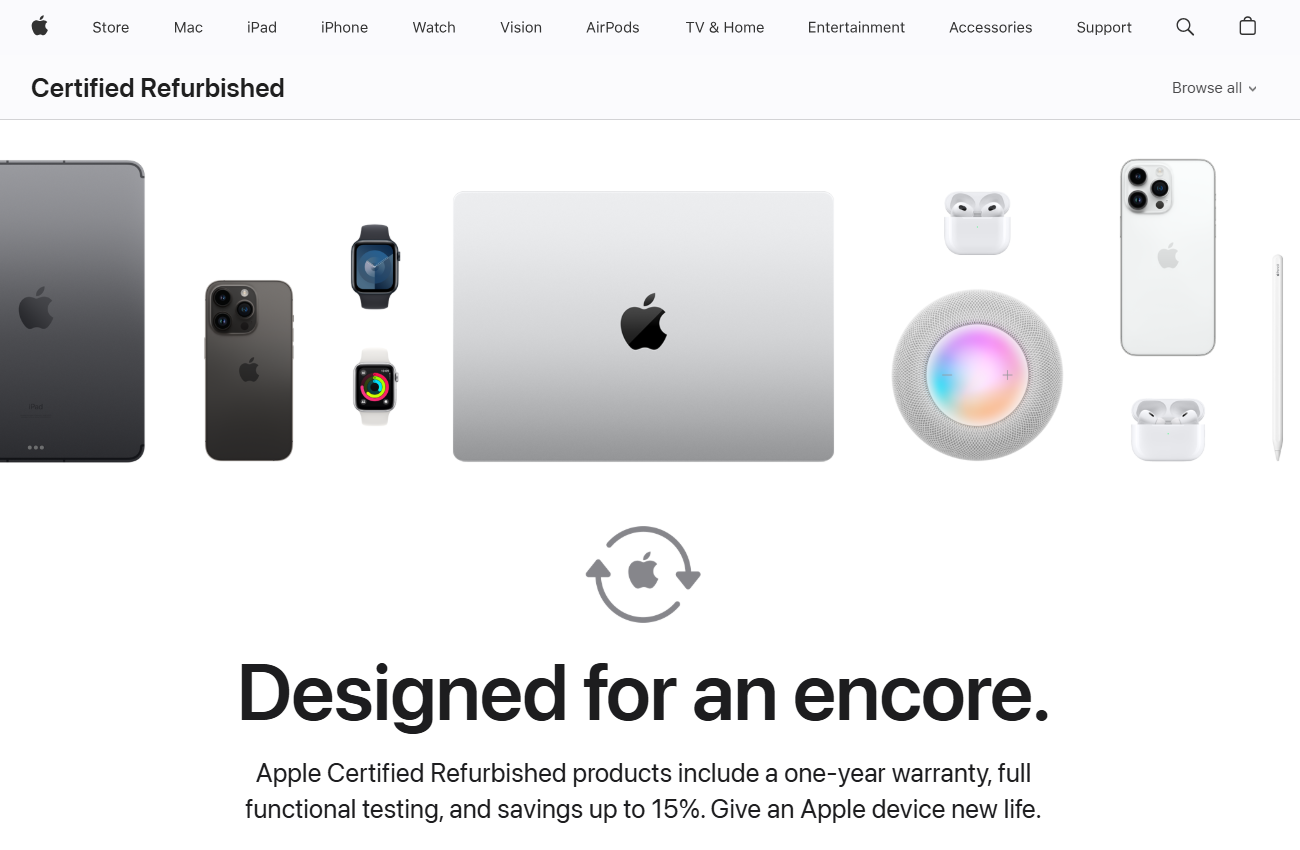
Apple Certified Refurbished, for example, involves the inspection and, where necessary, restoration of previously used or returned devices before they are offered for sale again. In Georgia, Gogora provides an example of a similar approach by accepting used wooden furniture and children’s toys, restoring them, and returning them to the market.
In such models, value is not created solely by manufacturing something new. Instead, the existing product is restored and given an extended opportunity to provide utility and generate economic value.
From Waste to New Products
Not every product can be returned to its original function. However, the end of a product’s functional life does not necessarily signify the end of the value contained in its materials.
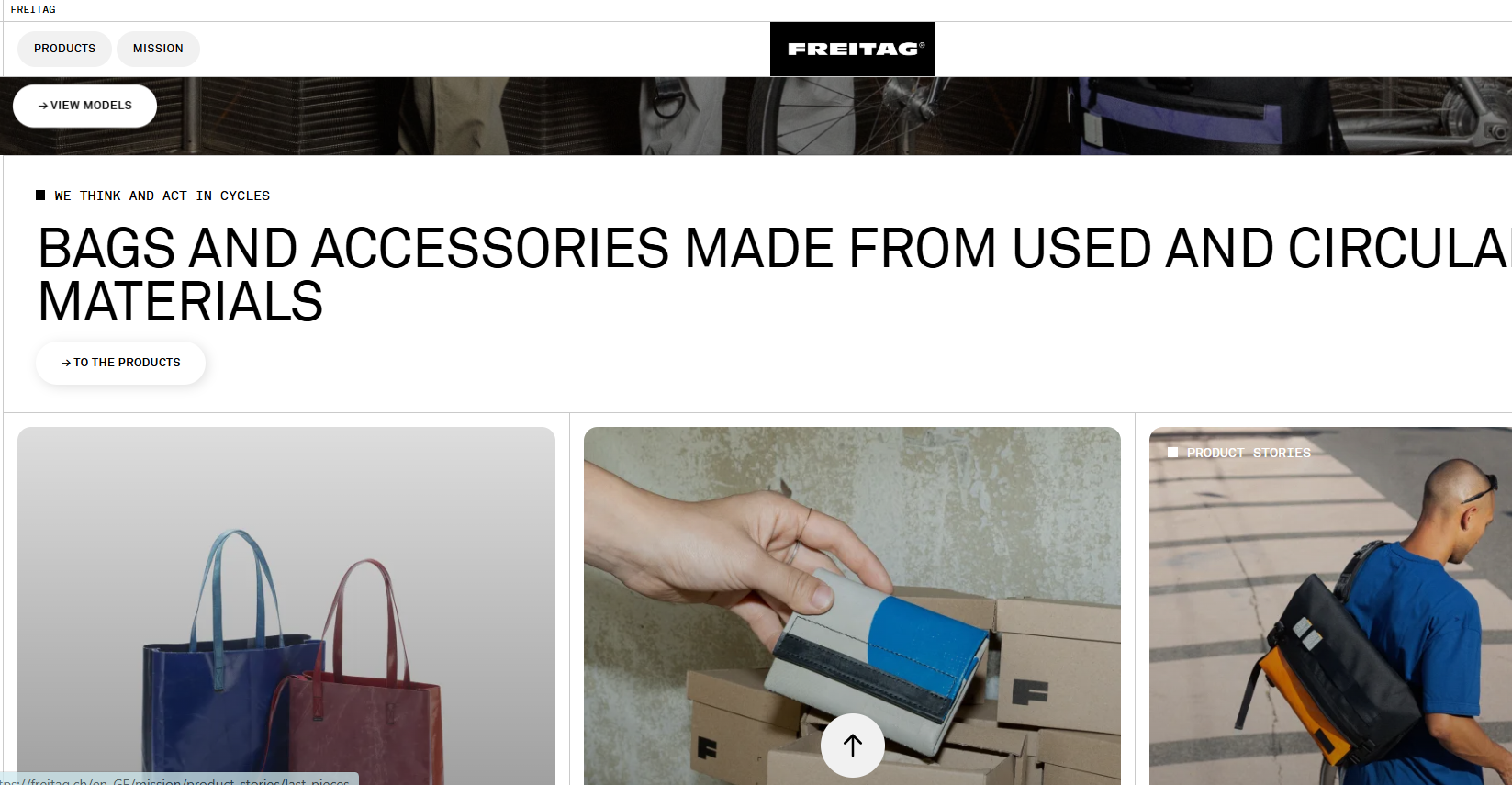
The Swiss company Freitag, for example, produces bags using discarded truck tarpaulins and seat belts. Materials that have completed their original function are recovered and incorporated into new products with a different purpose. Tracegrow applies a similar principle at the material level. The company recovers micronutrients from used alkaline batteries and industrial waste and uses them as inputs in fertiliser production. This illustrates an important shift in the way waste is perceived: what is classified as waste within one system may represent a valuable secondary resource within another.
Organic resources provide another important example. Food waste and other organic residues generated through agriculture can be treated through anaerobic digestion, a biological process that produces biogas. The resulting biogas can then be used for the generation of electricity and heat.
Biogas Energía in Mexico, for example, develops projects that recover energy from organic waste through biogas production. In this case, material that has lost its value within one process becomes an input into another, demonstrating how circular systems can reconnect resource flows across economic activities.
Preserving the Value of Products and Resources
The distinction between linear and circular economic models is particularly evident in the way economic success is understood. Within the linear economy, performance is often assessed through indicators such as production and sales volumes: how many products are manufactured and how many are sold. The circular economy introduces a different question: how long can a product, component or material retain its value and utility within the economic system? A smartphone may remain in use by a single owner for several years, or it may pass through multiple users during its functional life. A reusable cup may be used once, or hundreds of times. Clothing may become waste, or it may enter a second-hand market and continue serving another user. A material that would otherwise be discarded may become an input into the production of an entirely new product.
This shift in perspective lies at the heart of circular business models. The objective is not simply to increase the volume of products entering the market, but to maximise the value generated from products, components and materials that have already been placed into circulation. Circularity therefore represents more than an environmental approach. It introduces a fundamentally different logic for business development and value creation – one in which economic growth does not necessarily depend on the continuous extraction of virgin resources. In many cases, creating new value begins not with producing something new, but with rethinking the value of what already exists.