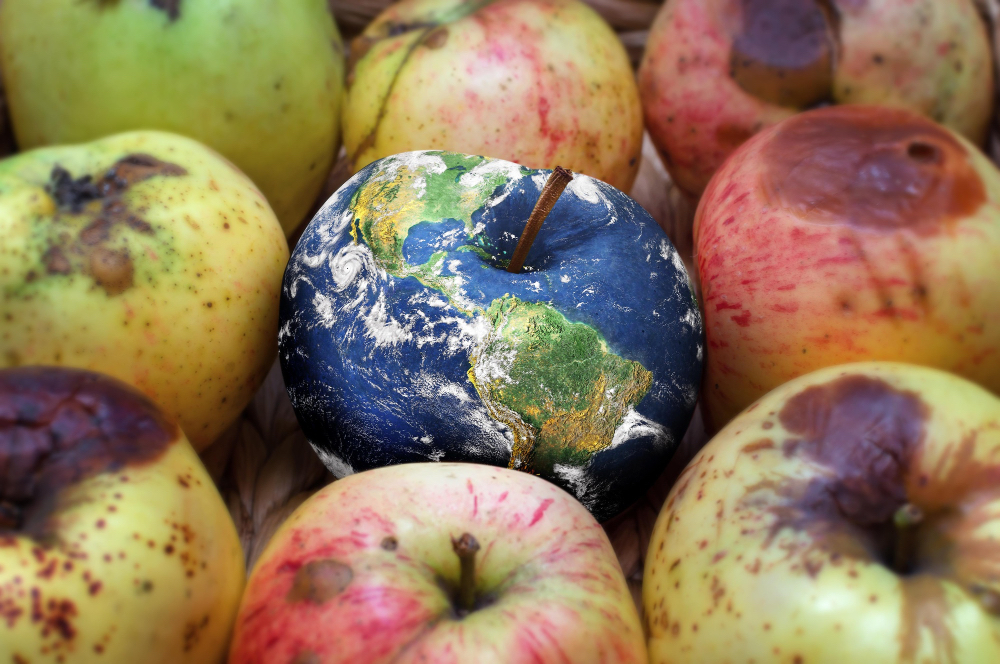
Food systems encompass the wide range of actors, activities, and institutions involved in food production, processing, distribution, consumption, and waste management. A sustainable food system ensures food security and food supply for everyone without compromising the environmental, economic, and social foundations necessary to secure food access for future generations. However, changes developed over recent decades have placed the sustainability of food systems before serious challenges. Among them, the increase in food loss and waste (FLW) is particularly visible, which significantly harms the planet’s ecological integrity, reduces economic efficiency, and exacerbates social inequality.
Linear Food System and Environmental Degradation
The modern food system operates on the linear model principle of “extract, produce, dispose,” which implies extracting limited natural resources and subsequently turning them into waste.
Approximately one-third of globally produced food is lost or wasted annually, which means the loss of edible food equivalent to six truckloads every single second.
More than one billion meals are left uneaten every day, the result of excess production, spoilage, or poor meal planning.
According to a 2021 report, 931 million tonnes of food waste were generated globally in 2019: 61% at the household level, 26% in food service establishments, and 13% in the retail sector. Additionally, about 14% of global food production is lost before the retail stage.
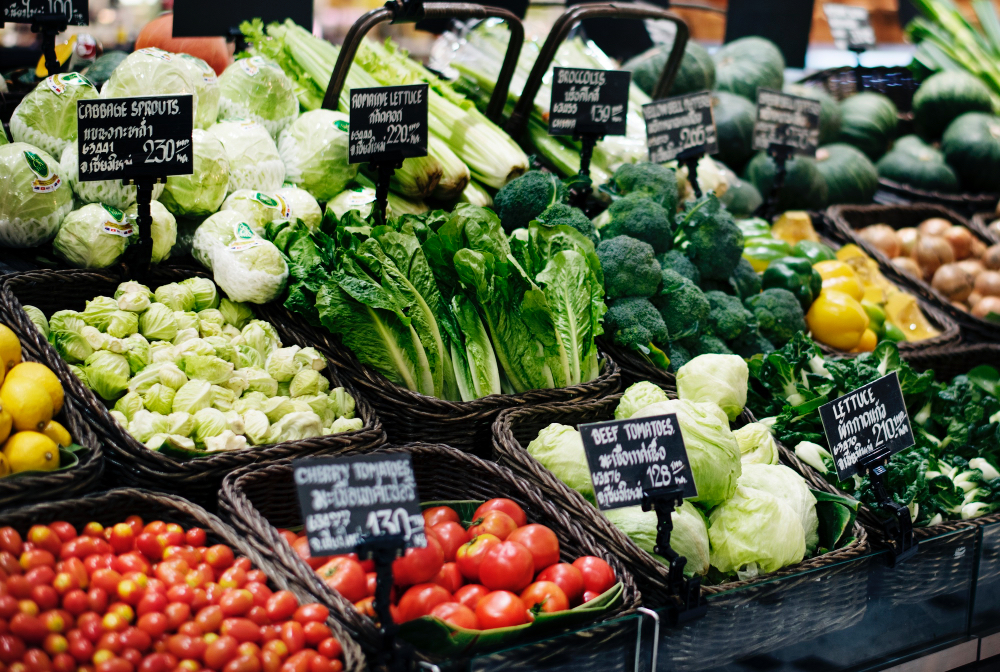
Globally, by weight volume, the largest share of food loss and waste—44%—belongs to fruits and vegetables.
Less than 2% of the nutrients present in household waste and coproducts are recovered and reused.
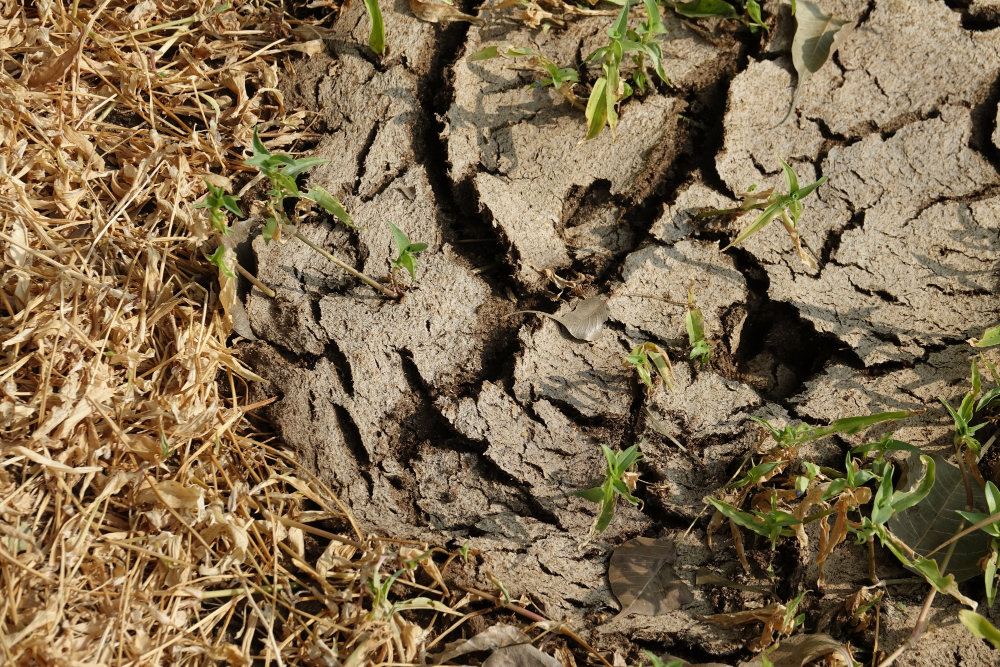
Intensive agricultural production exerts significant pressure on natural ecosystems: it contributes to soil degradation and reduced productivity, while approximately 70% of global freshwater consumption comes from this sector. Dependence on synthetic fertilizers and pesticides leads to water pollution and biodiversity loss.
Food Loss or Food Waste?
To determine the scale and causes of the problem, it is important to distinguish between food loss and food waste:
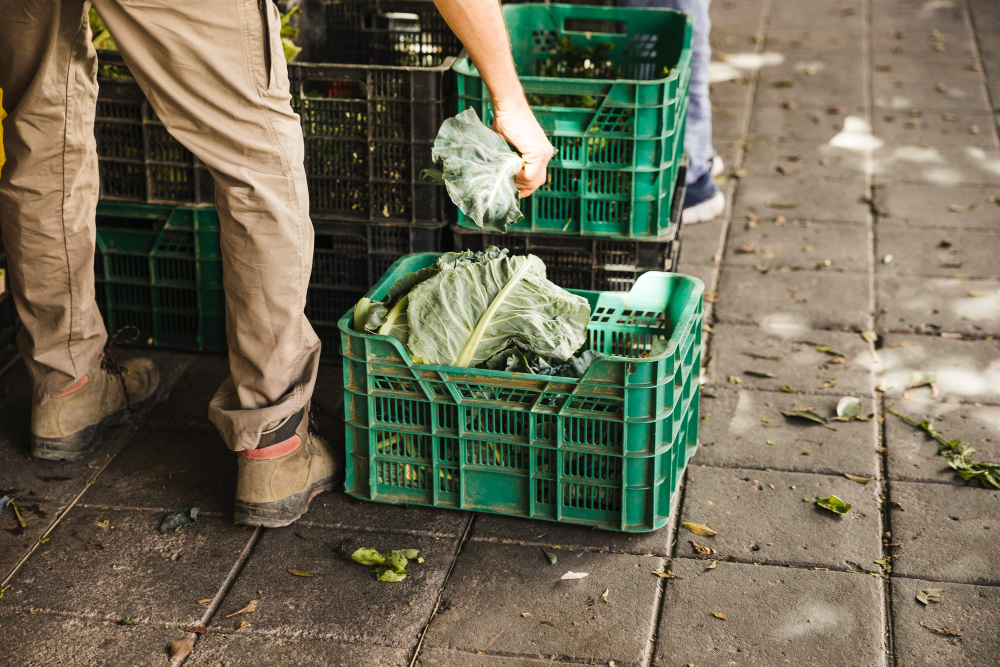
Food lossoccurs before the retail stage and is mainly driven by technical, infrastructural, or systemic problems. Examples include: damage to agricultural crops during harvesting; product damage during transportation (including due to the lack of proper refrigeration logistics); and losses generated during processing due to outdated technical equipment.
Food wasteoccurs at the retail, food service, and household levels and is closely linked to consumer behaviors and decisions. Examples include: supermarkets throwing away unsold products; restaurants preparing excessive dishes; and throwing away food at the household level due to over-purchasing or improper storage.
The Food Value Chain and Its Stages
The food value chain is directly linked to food losses and waste, because inefficient practices identified at any stage of the chain generate significant losses system-wide. The main stages of the chain are:
Production → Transportation/Storage →Processing → Retail → Food Service → Consumption.
Decisions made at each stage of the value chain are interconnected. For example, losses identified at early stages are often driven by decisions made at the retail and consumer levels (such as inaccurate demand forecasting and strict visual-aesthetic standards), while waste existing at the consumer level may be linked to improper packaging and transportation.
Environmental, Economic, and Social Impacts of Food Loss and Waste
If food loss and waste were considered a separate country, it would be the third-largest source of greenhouse gas emissions. Food waste places a heavy burden on waste management systems, worsens food security, and exacerbates the triple planetary crisis: climate change, biodiversity loss, environmental pollution, and waste generation.
Food waste is responsible for up to 10 per cent of total global greenhouse gas emissions (nearly five times the emissions produced by the aviation sector). Methane is particularly noteworthy, serving as one of the primary drivers of global warming.
When organic matter decomposes in landfills deprived of oxygen, it produces methane. For example, in Georgia, 60% of the waste disposed of in landfills consists of food waste, representing the largest waste stream. For every unit of expenditure spent on food, society pays an additional price in the form of health, environmental, and economic damages.
The inefficiency of the system is clearly illustrated by the social contrast: while more than 40% of produced food never reaches the consumer, approximately 700 million people worldwide suffer from hunger.
Causes and Prevention of the Problem
The causes of food loss and waste are divided into three main levels:
Micro level (individual actors): inappropriate behaviors, incorrect labeling, overproduction, and lack of awareness.
Meso level (supply chains): inefficient logistics and lack of coordination.
Macro level (policy and governance): subsidies encouraging overproduction, improper donation policies, and weak mechanisms for reducing waste.
The primary way to reduce methane emissions is to prevent food from being wasted in the first place. In the case of organic waste that cannot be avoided, proper separation and composting in an oxygen-rich environment are crucial to reduce methane emissions. The complex resolution of the problem requires transitioning from a linear economic model to circular principles.
In the next article, we will discuss the types of circular economy approaches that exist within food systems. Stay Tuned!