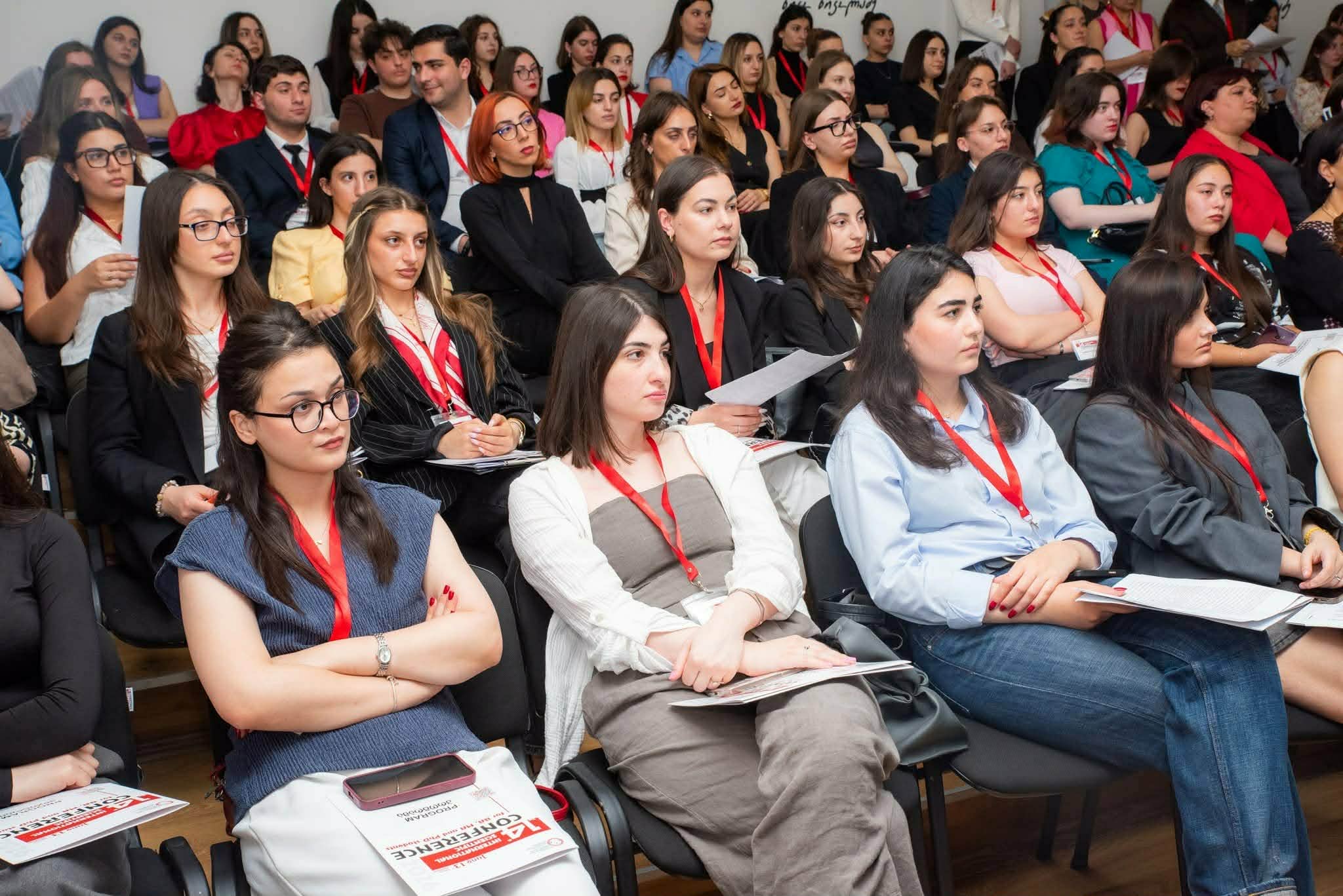
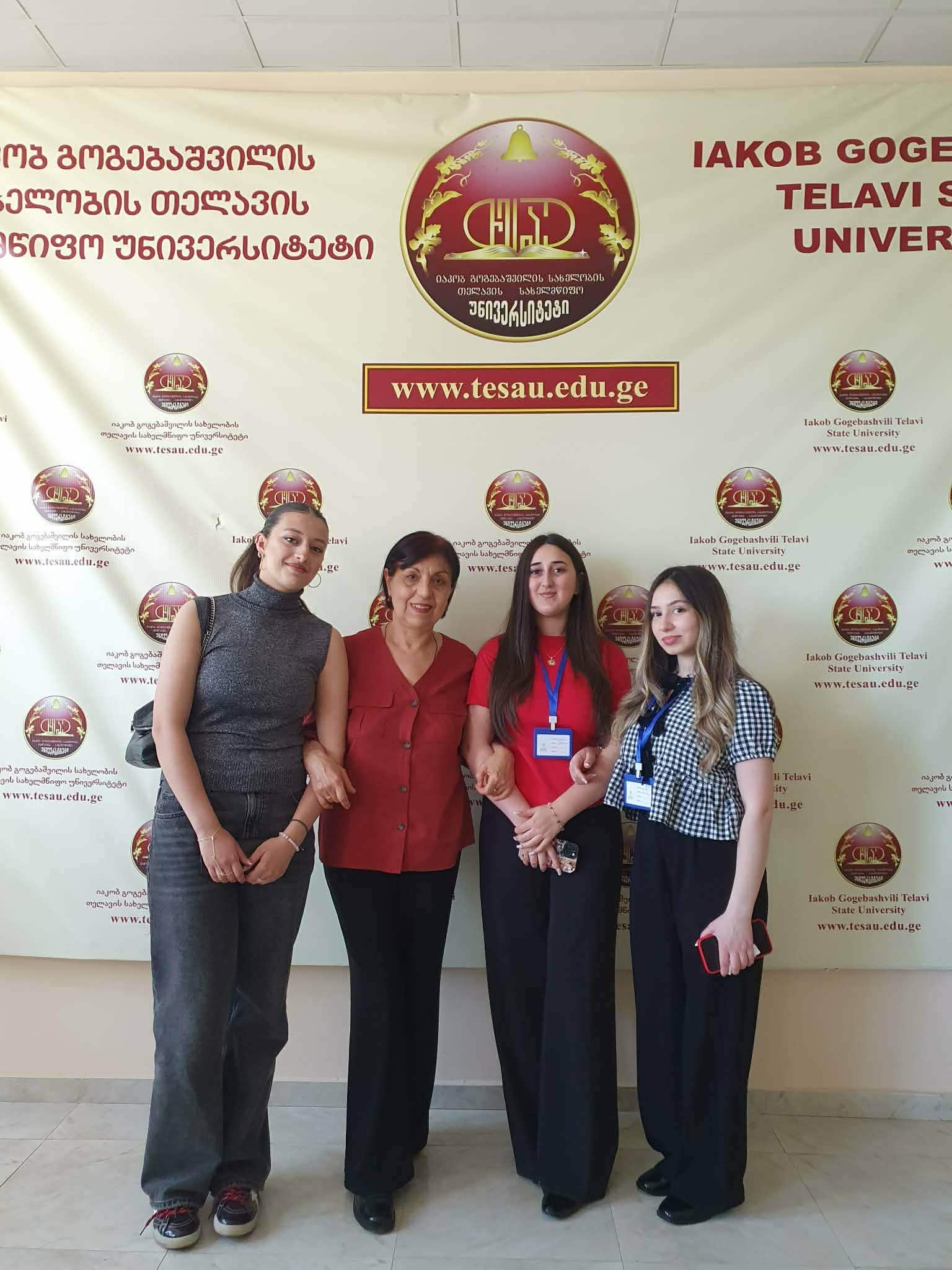
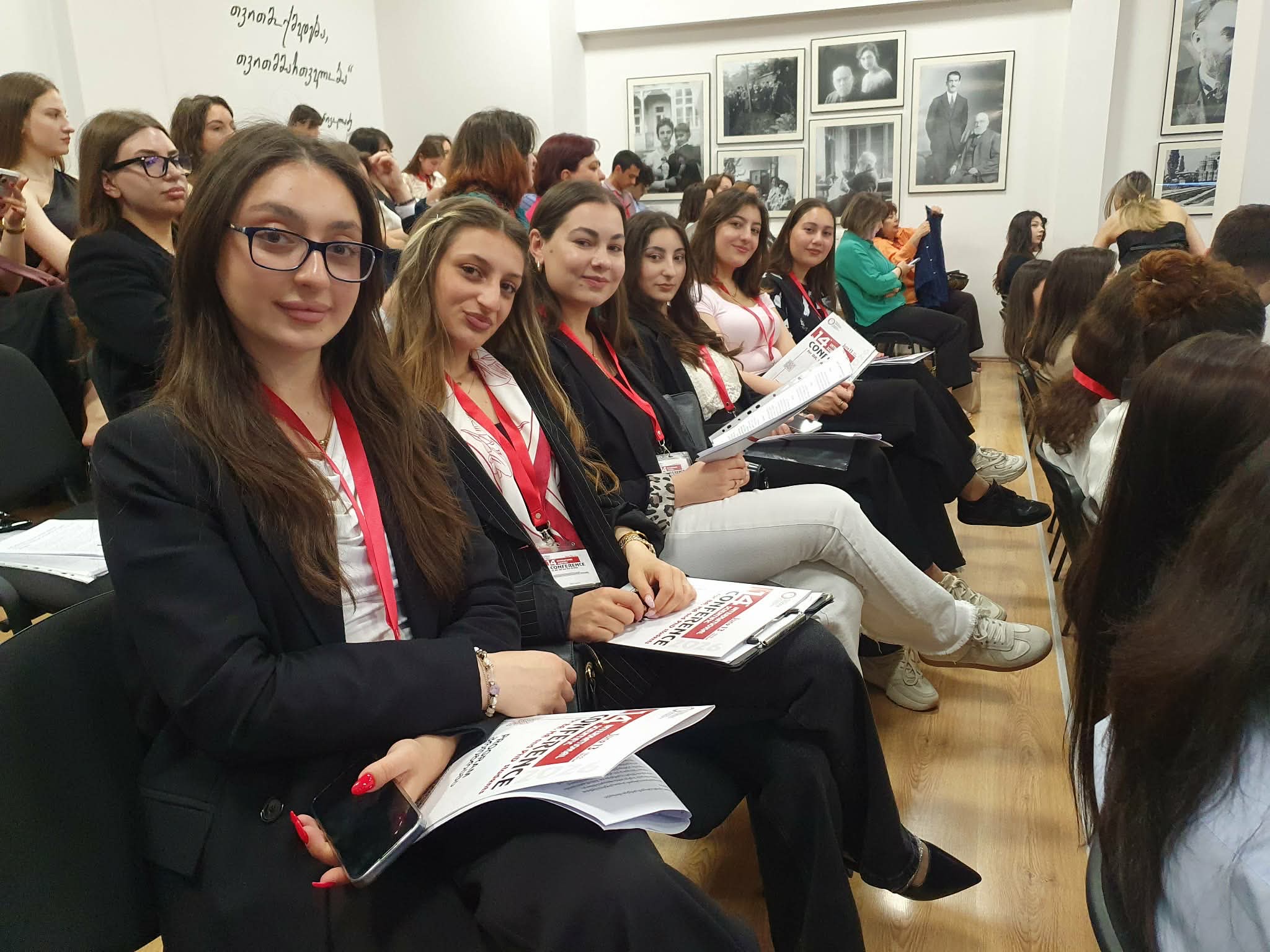
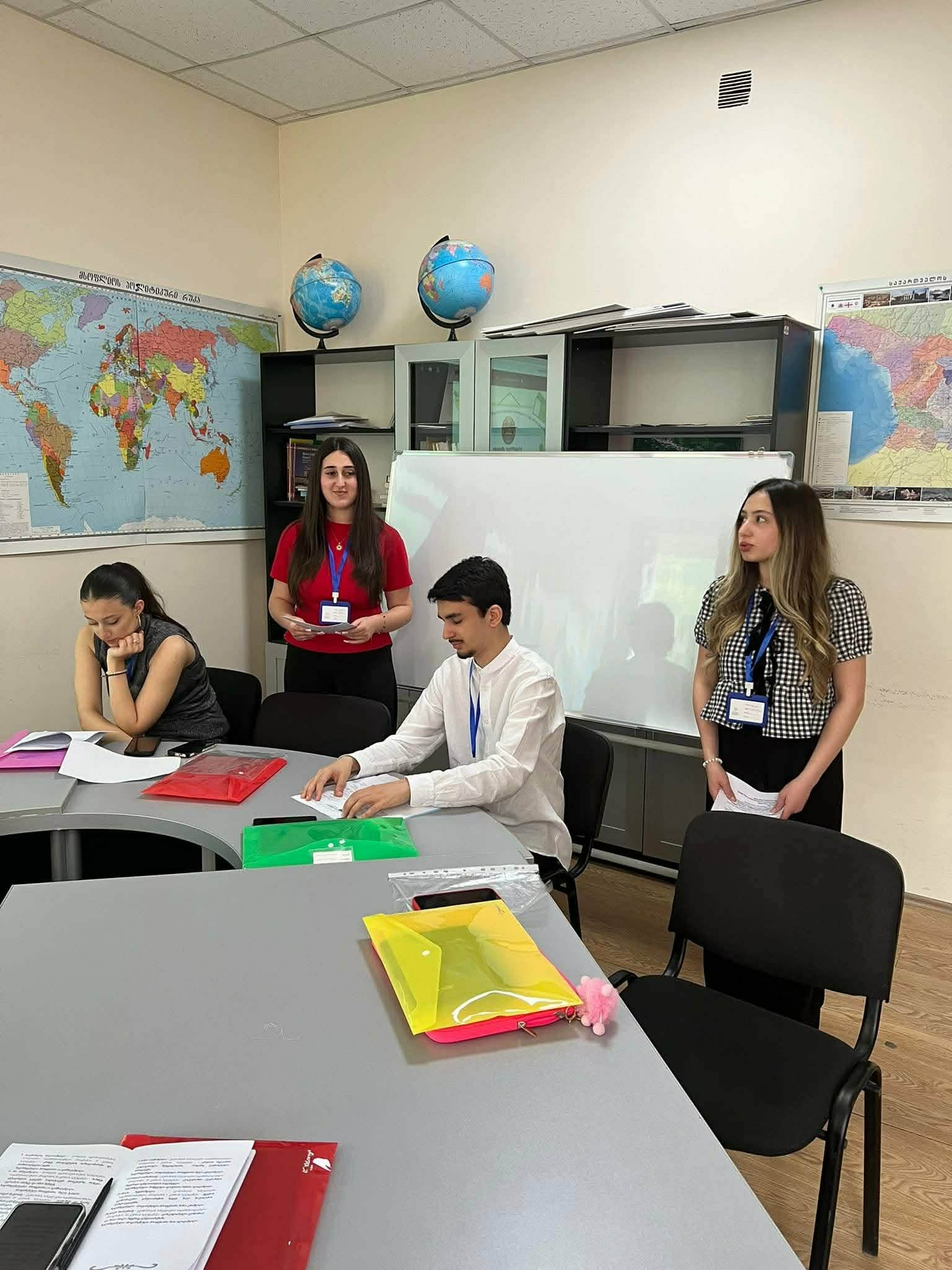
For the Kakheti region, where agribusiness, winemaking, agriculture, and tourism are the leading sectors, proper waste and resource management represents a critical challenge. Iakob Gogebashvili Telavi State University responds to these needs through educational innovations. In cooperation with CENN and with the support of the European Union, the Faculty of Social Sciences, Business, and Law has updated the syllabus of the bachelor’s course in circular economy, laying the foundation for preparing a new generation of economists with innovative approaches.
“The cooperation between Telavi State University and CENN helps strengthen modern, interdisciplinary knowledge at the university,” notes Tamar Tamarashvili, Dean of the Faculty, explaining that, “Given Kakheti’s economic profile, knowledge of circular economy principles is of particular importance for the fields of agriculture, agribusiness, and tourism. The updated course allows students to connect theoretical knowledge to the region’s real challenges such as efficient resource use, waste reduction, and reuse. Education contributes both to preparing qualified professionals and to the sustainable economic development of the region.”
What are the new additions to the curriculum?
As Maia Aladashvili, Associate Professor of the Faculty, noted, the updated syllabus has added fundamental issues such as the 10R principles, life cycle analysis, shared economy, and industrial symbiosis, which help students understand the differences between linear and circular models as well as modern challenges.
Maia Aladashvili also emphasizes the practical component of teaching, stating that when discussing each lecture topic, she brings practical examples from business circular projects. Through practical assignments, students learn how to make a business circular, which makes them competitive in the local and international labour markets.
Importance for the labour market and students
Following global market demands, Georgian businesses increasingly need personnel who possess modern skills. As Dean Tamar Tamarashvili notes, “Knowledge of circular economy principles develops students’ skills in efficient resource management, innovative solutions, and the development of sustainable business models, which represents an important foundation for their employment and professional development.”
Students who complete this course gain a unique competitive advantage; they can offer local companies innovative models for cost reduction, waste minimization, and efficient resource management.
“In the future, this approach will contribute to the systemic development of education based on sustainable development principles at the university,” says Tamar Tamarashvili while speaking about Telavi State University’s future plans.
Updating the circular economy study program at Telavi State University is a step forward toward the region’s sustainable economic development. The unity of theoretical knowledge and practical examples tailored to local needs gives students the opportunity to become a new generation of economists and managers who are ready to make a real contribution to the country’s resource-efficient and environmentally responsible development.
About the project
This initiative is implemented by CENN within the framework of the EU-supported project “Circular Cities and Regions in Georgia”. The project covers the Kakheti and Adjara regions and promotes the creation of green value chains and the establishment of circular economy principles at the local level.