
Permaculture Concept and Circularity in Architecture
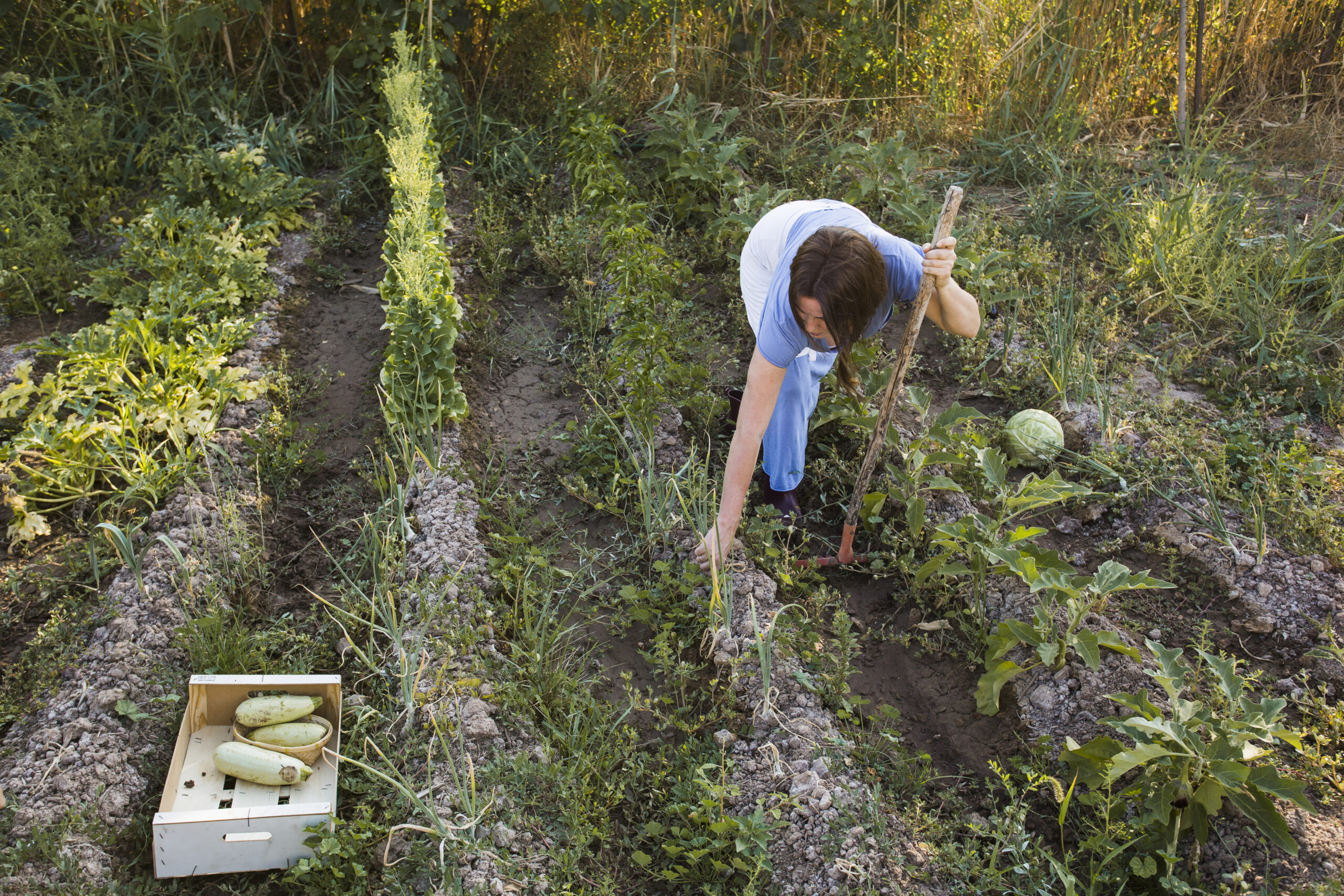
Permaculture Concept and Circularity in Architecture
The world is already talking every day about the impact of climate change and the importance of balancing environmental and economic development. However, merely talking is not enough; concerted steps are needed, especially from sectors that have the greatest impact on climate change in terms of greenhouse gas emissions, biodiversity degradation, and urbanisation. The construction sector is one such area. Numerous strategies exist for the sustainable and circular development of the construction sector, which we discussed in the previous article. In this article, however, we want to tell you about the Permaculture Concept, which architects and interior designers use to create functional and environmentally clean spaces.
What is Permaculture, where can we see examples of it, and what impact does it have on the environment? – These are the questions we will answer below.
The Permaculture Concept
It is a design system that involves creating a sustainable and human-centred environment, based on environmental and sustainability design principles. It explores the contact with plants, animals, buildings, and infrastructure, as well as the potential relationships between these elements based on their location in the landscape.
The concept is built on 12 design principles that can be used in architectural projects of various scales. The result is that by using these principles, it is possible to spread new ways of reducing energy consumption in homes, save water, participate in food production, implement a circular economy, and more.
The permaculture concept is applied in homes, gardens, and villages. Its goal is to have a minimal impact on the environment, while also taking social and economic dimensions into account.
The 12 Principles of Permaculture in Architecture
- Observation and Interaction to arrive at the right design decision.
- Catch and Store Energy for later use.
- Obtain a Yield from your own design decisions (economically and ecologically beneficial buildings and spaces).
- Apply Self-regulation and Accept Feedback, i.e., using smart technologies and listening to the user.
- Use and Value Renewable Resources and Services.
- Produce No Waste – maximally efficient use and recycling of resources during the construction process.
- Design from Patterns to Details, relying on natural models to give you inspiration for a design decision.
- Integrate rather than Segregate, i.e., combining functions, for example, a mini-garden on the balcony.
- Use Small and Slow Solutions – focus on small-scale solutions.
- Use and Value Diversity – adopting diverse solutions.
- Use Edges and Value the Marginal – recognizing the value of transitional spaces and using them effectively.
- Creatively Use and Respond to Change – the design should be adaptable and convenient so that it can be changed over time as needed.
Examples of Permaculture in Architecture
- BedZED (Beddington Zero Energy Development) is a zero-energy residential complex in London, which uses solar panels, natural ventilation, recycled materials, and high thermal insulation.
- Eco-Dome (SuperAdobe) is located in the USA, built from a mixture of earth and clay, and features an earthbag construction system developed by Iranian architect Nader Khalili. This structure is one of the best examples of natural building.
- As an example of “Urban Permaculture”, we can cite the 60 Richmond Housing Cooperative in Canada. Its restaurant is supplied with vegetables, fruits, and herbs grown on the building’s roof, and the garden is irrigated with rainwater from the roof. Organic waste from the kitchen is used as fertiliser for this garden.
What You Should Know Before Incorporating Permaculture Principles into a Project
To integrate permaculture principles into an architectural project, it is essential to evaluate the natural characteristics, climate, and resources of the site before making design decisions.
To reduce the environmental impact of the project, choose locally sourced, renewable, and low-impact materials. To create a healthier indoor environment and strengthen the connection with nature, integrate natural elements such as plants, water features, and natural light.
To maintain a healthy indoor atmosphere, use air filtration and prioritize non-toxic materials.
Reuse: To reduce waste and save resources, consider all possible options for reusing existing buildings or materials.
The principles of permaculture will benefit not only your building or space but also the environment. It creates sustainable projects that endure over time. It is part of the circular economy, with which it creates models beneficial to nature and people. By reducing waste, using natural resources, and focusing on reuse, permaculture and circularity contribute to prolonging the life of our planet and creating a healthy environment locally in our living spaces.
The article was prepared with the support of the European Union, within the framework of the CIRCOLUTION campaign. CENN is solely responsible for its content, and it may not necessarily reflect the views of the European Union. The Circularity campaign is part of the “Circular Cities and Regions in Georgia” programme, implemented by CENN with the assistance of the European Union.