
Construction is one of the largest polluting sectors in today’s world. The construction of buildings and infrastructure is associated with extremely high energy consumption, intensive use of resources, and the rapid growth of waste. According to international data, the construction sector generates approximately 37% of global carbon emissions, making it necessary for the sector to transition quickly and wisely to circular systems. In the previous article, we discussed what types of circular approaches exist in the construction sector, and we also talked about the concept of permaculture and circularity in architecture. In this article, we will discuss:
- How construction can be decarbonised through circular practices
- The current situation of construction and demolition waste management in Georgia
- Which innovative materials will transform the construction sector of the future
- Decarbonization of the construction sector through the implementation of circular practices
To reduce the environmental impact of the construction sector, it is essential to adopt an entirely new circular approach to the production and consumption of materials. Its main principles are using fewer resources, recycling existing materials for reuse, and introducing innovative materials.
More specifically, this approach can be broken down into several directions:
Avoiding excessive construction
Renovation, reconstruction, and adaptive reuse of existing buildings generate 50–75% fewer emissions than the construction of new buildings.
Transition to renewable materials
Wood, bamboo, biomass, and other bio-based materials are already realistic alternatives to traditional structural construction products. Proper use of these materials can reduce sectoral emissions by up to 40%.
However, this requires greater financial support, stronger state involvement, the development of new standards, and incentives for manufacturers.
Decarbonization of traditional materials
There are materials that are difficult to replace, such as concrete, steel, and aluminium. On the other hand, these three components are responsible for more than 23% of global emissions today.
So what can be done if they cannot be replaced? The short answer is the use of renewable electricity in production, the maximum use of secondary raw materials, the introduction of innovative technologies, and the improvement of internal organizational standards and professional education.
Construction and demolition waste in Georgia
More than 2 million tons of inert and construction-demolition waste are generated annually in Georgia, and this amount is increasing year by year. Key challenges include the absence of dedicated landfills for construction waste, uncontrolled disposal of waste, a lack of recycling practices, and the absence of standards regulating the management of inert and construction waste.
Why recycling is important and what the solution is
Recycling construction waste can reduce environmental pressure, create local economic value, and provide new opportunities for businesses.
The issues outlined above in Georgia’s construction sector are solvable. What is needed is encouragement for the introduction of modern technologies, the creation of financial and economic incentives based on circular economy principles, and the introduction of new standards for the use of secondary materials in concrete production, drawing on European experience.
Future technologies
Globally, the construction industry already agrees that the future belongs to materials that require less energy, are durable, and can be easily recycled. The main materials considered to be part of the future include:
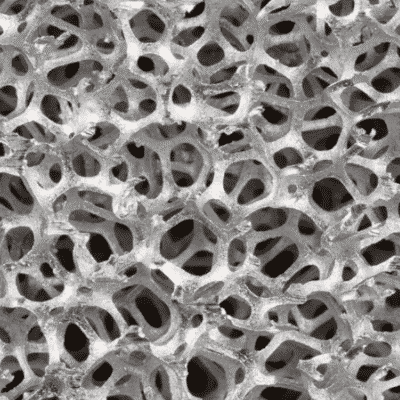
Cellular metal foam is a porous, lightweight metal structure that uses 80–95% less metal than solid metal while still maintaining strength. It significantly reduces raw material extraction, energy consumption, and carbon footprint. Cellular metal foam is often produced from recycled metals, such as recycled aluminium, recycled steel, and metal waste. As a result, this material reduces dependence on virgin raw materials and supports material circularity.
Source: ergaerospace.com
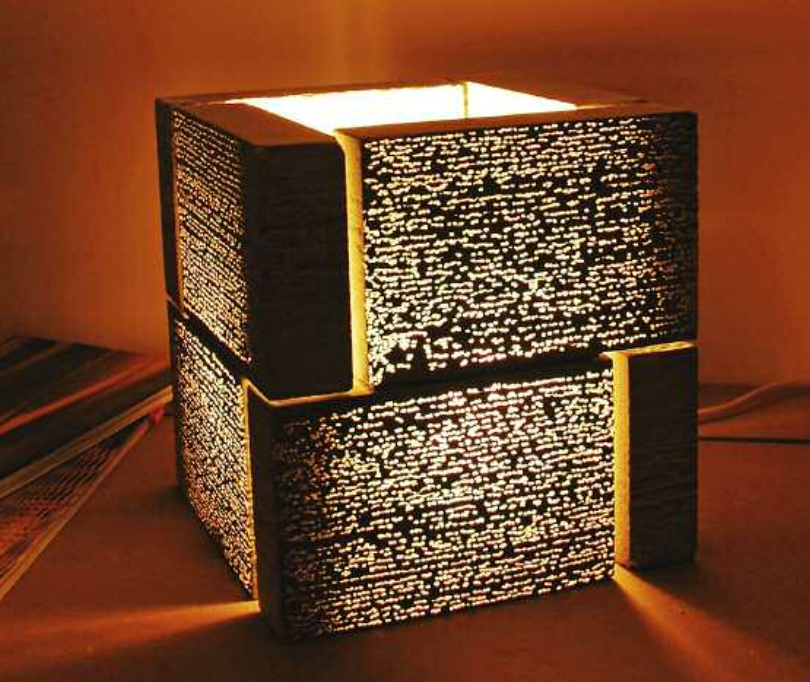
Transparent, or light-transmitting concrete (Translucent Concrete)
When you think of concrete, you probably imagine a solid, heavy, and monolithic structure. But what if concrete were transparent, allowing light to pass through spaces and making them brighter? By replacing traditional concrete components with transparent materials or by embedding fiber-optic systems, engineers have developed concrete mixtures capable of transmitting light. This innovative material, which is still partly at the development stage, is already used in various fields of architecture and promises enormous potential for the future.
Source: haute-innovation.com
Carbon fibre is a polymer composed of long, thin strands of carbon atoms bonded together. It is lighter than steel, five times stronger, and twice as stiff. Architects consider it an ideal construction material due to its flexibility and light weight. It is easy to transport, making structures built with this material much more adaptable than those made with traditional materials. The first building constructed using carbon-fibre-reinforced concrete can be found in Dresden, Germany.

Source: dezeen.com
Material made from plant-based carbon fibers and biochar
Scientists at the German Institutes of Textile and Fiber Research (DITF) have developed a combined construction material composed of natural stone, carbon fibers, and biochar. The carbon fibers used are derived from plant-based biomass and serve as a surface layer for stone panels. The material incorporates lignin-based carbon fibers, while biochar is used as a filler between the stone panels. This filler also performs an insulating function and, according to researchers, acts as a means of CO₂ storage and sequestration.
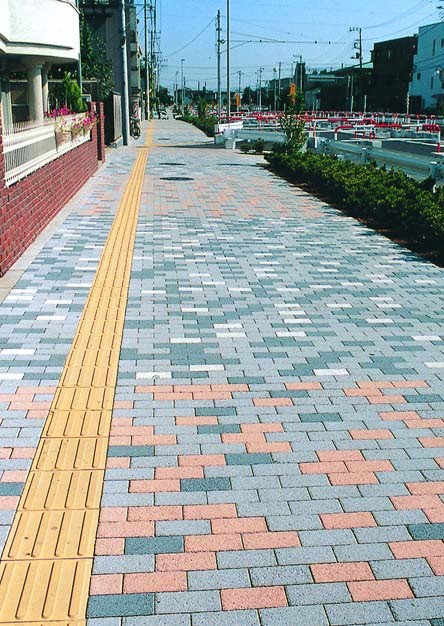
Photocatalytic concrete is a construction material that contains titanium dioxide as an additive. It is an innovative type of concrete capable of chemically breaking down air pollutants, particularly nitrogen oxides. The principle of photocatalysis works through sunlight and moisture: titanium dioxide absorbs harmful nitrogen oxides and converts them into harmless nitrate ions, which are then washed away by rain. In this way, photocatalytic concrete used in road surfaces or other structures not only gains self-cleaning properties but, when applied on a larger scale, can significantly improve urban air quality.
Source: concretedecor.net
Maize cob board is a lightweight material made from corn cobs, representing a good example of using agricultural waste. Its advantages include being lightweight, biodegradable, and capable of replacing other materials.

Source: materialdistrict.com
Cellulose-based plastics are one type of bioplastic.

Source: news.panasonic.com
The main raw material for this material is coniferous trees. To obtain cellulose fibres from wood mass, the raw material is processed in a special autoclave. This material provides a sustainable alternative to traditional petroleum-based plastics, as it is entirely based on renewable natural resources.
Another important future direction in the market for lightweight construction materials is technical textiles. Technical textiles have exceptional mechanical strength and weather resistance, making them ideal for use in architecture and vehicle manufacturing. In architecture, they are mainly used in façade systems. Together with other lightweight construction solutions, these materials contribute to more efficient use of resources and energy savings in construction.
To sum up, technologies already exist today that allow us to build in a cleaner, smarter, and more environmentally responsible way. Awareness plays a crucial role, and this article can help many people, including those who plan to build a house or buy an apartment in the future. The opportunities exist; the key is turning them into real construction practice.
This article was prepared with the support of the European Union within the CIRCOLUTION campaign. Its contents are the sole responsibility of CENN and may not reflect the views of the European Union. The circularity campaign is part of the “Circular Cities and Regions in Georgia” project, implemented by CENN with the support of the European Union.