Have you ever wondered how much food we waste every single day?
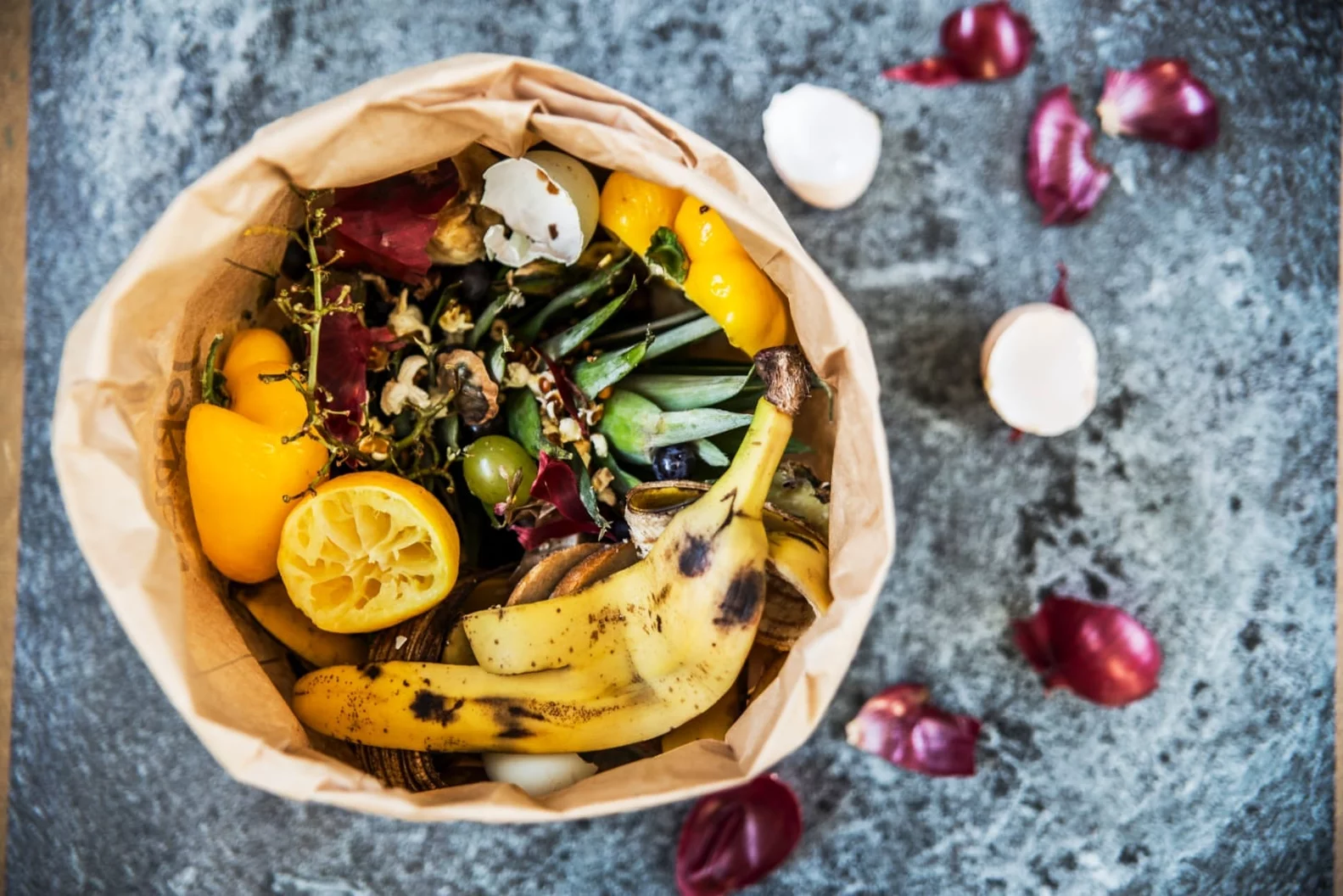
Leftover slices of bread, impulse purchases, vegetables forgotten in the fridge, and other ingredients we never use or find expired often seem like insignificant waste. In reality, however, the habits and decisions surrounding our food consumption contribute to a major global challenge and drive enormous daily losses of edible food.
Food waste means wasted energy, water, and natural resources. Beyond its environmental impact, it also creates serious social and economic problems. In 2022 alone, around 19% of all food available to consumers was wasted at the household, food service, and retail levels—making food waste one of the key contributors to greenhouse gas emissions.
Every year, Europe discards 58 million tonnes of food, which amounts to roughly 130 kilograms per person. The market value of this wasted food reaches €132 billion. At the same time, more than 42 million people across the EU cannot afford a quality meal every second day. These figures highlight why food waste remains one of the most pressing challenges today.
The global picture is equally alarming. According to the Food and Agriculture Organization of the United Nations (FAO), about one-third of all food produced for human consumption is lost or wasted annually. In 2022 alone, the world generated 1.05 billion tonnes of food waste:60% from households; 28% from food service; 12% from retail.
This means that one-fifth of all food available to consumers ends up in landfills.
How can we reduce food waste?
- Plan your meals in advance and purchase only the quantities you truly need
- Pay attention to storage guidelines and expiration dates
- Share leftover food with others
- Turn organic waste into a useful resource. For example, by composting
Test your knowledge: take the quiz and discover simple ways to reduce food waste in your daily life.